Plaster Repair for Philadelphia Row Homes in Philadelphia
Cracked ceilings, bulging walls and crumbling corners in older Philadelphia row homes, repaired so the plaster stays put and the repair disappears under paint.
What I handle
- Ceiling and stair-wall crack repair
- Re-attaching loose or sagging plaster
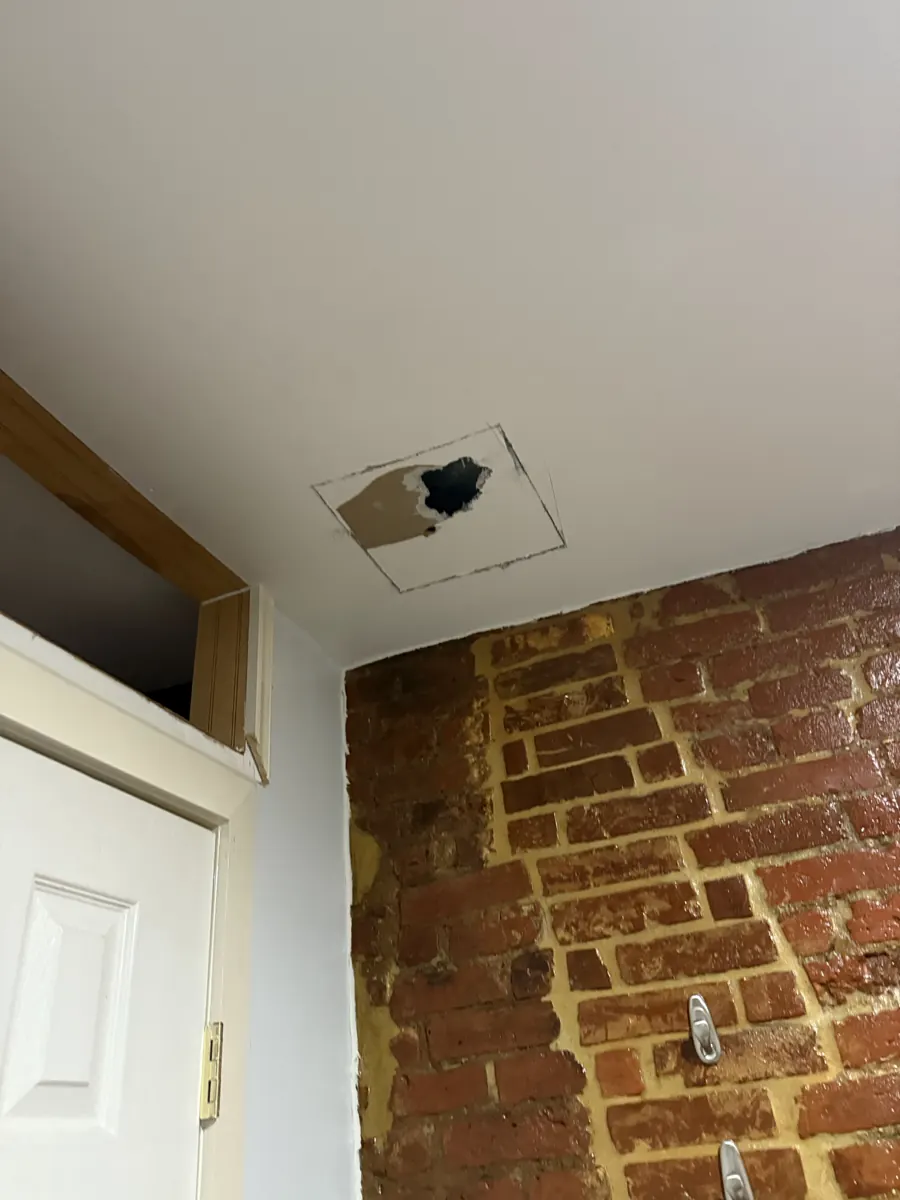
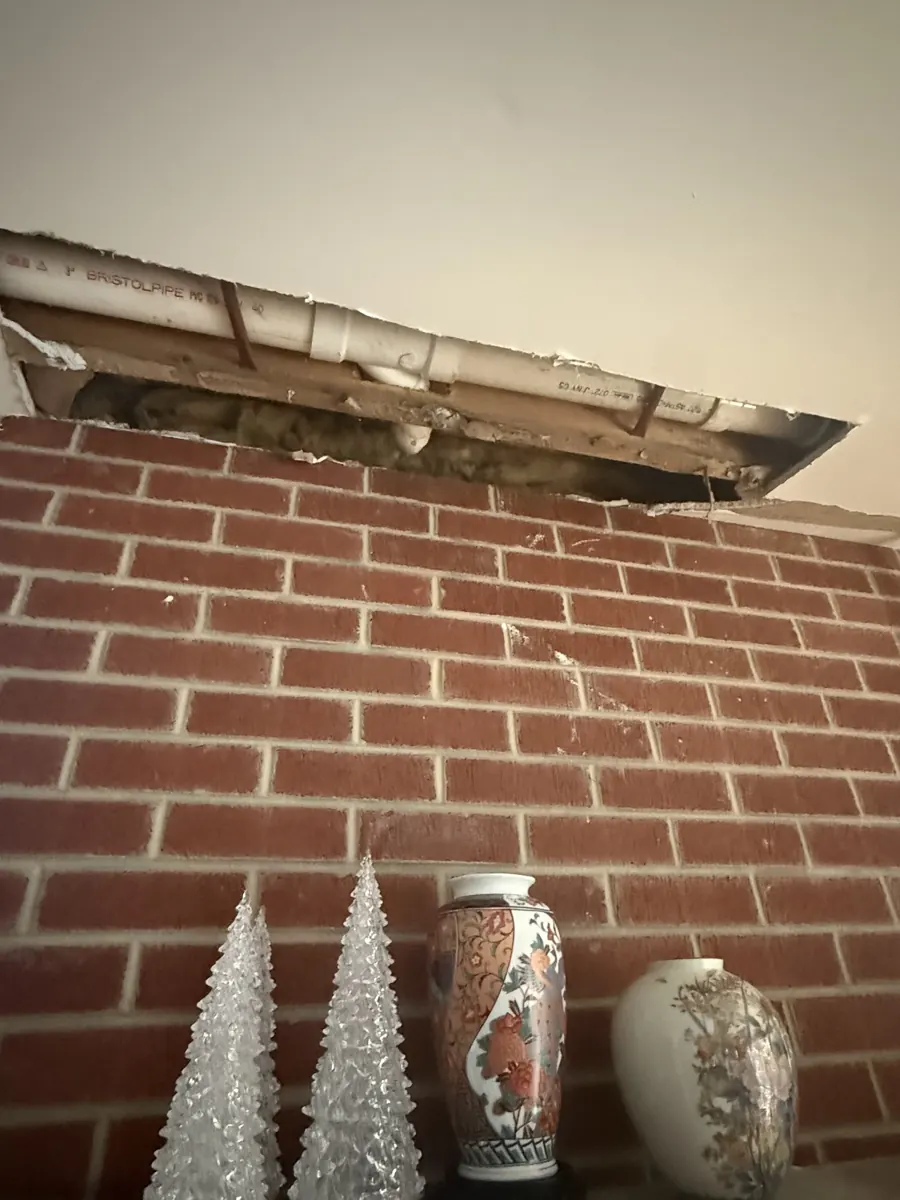
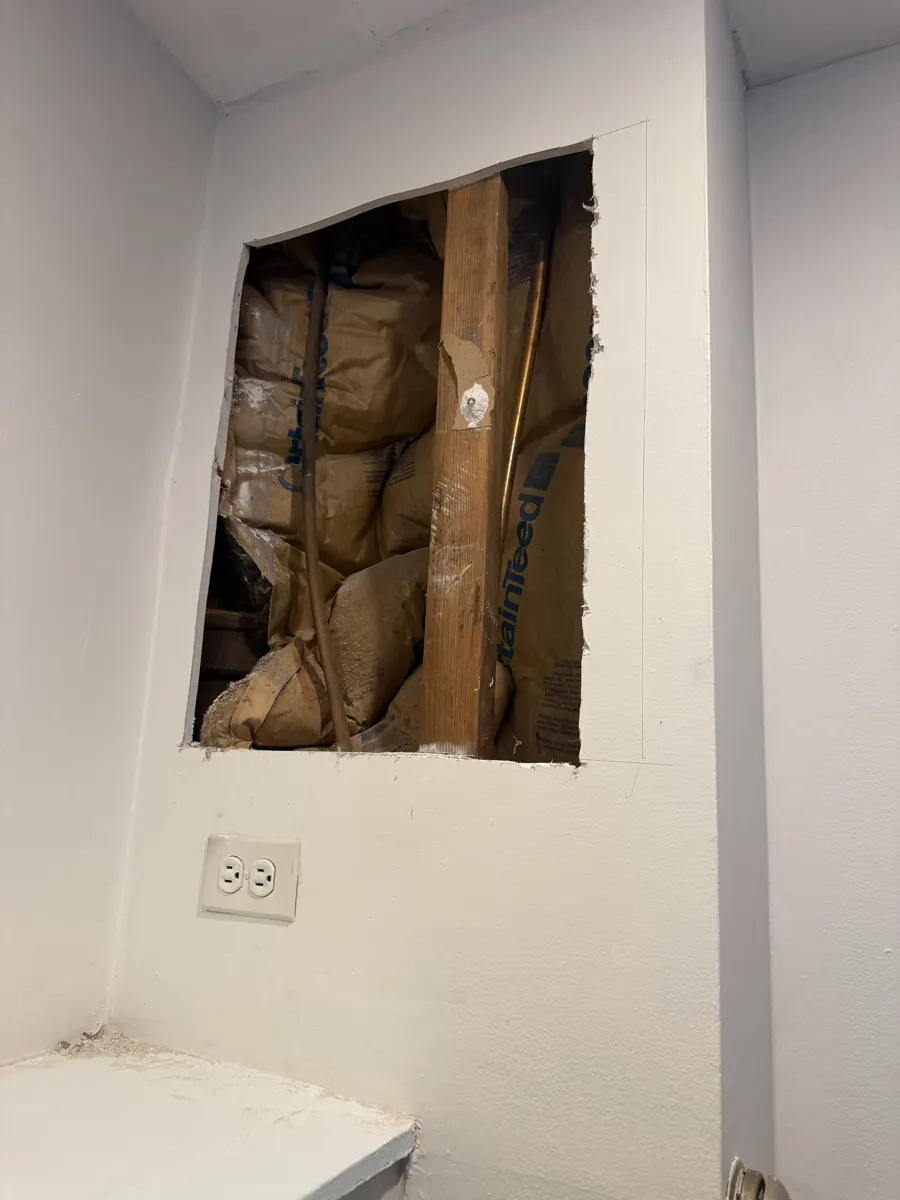
- Patching holes and failed old patches
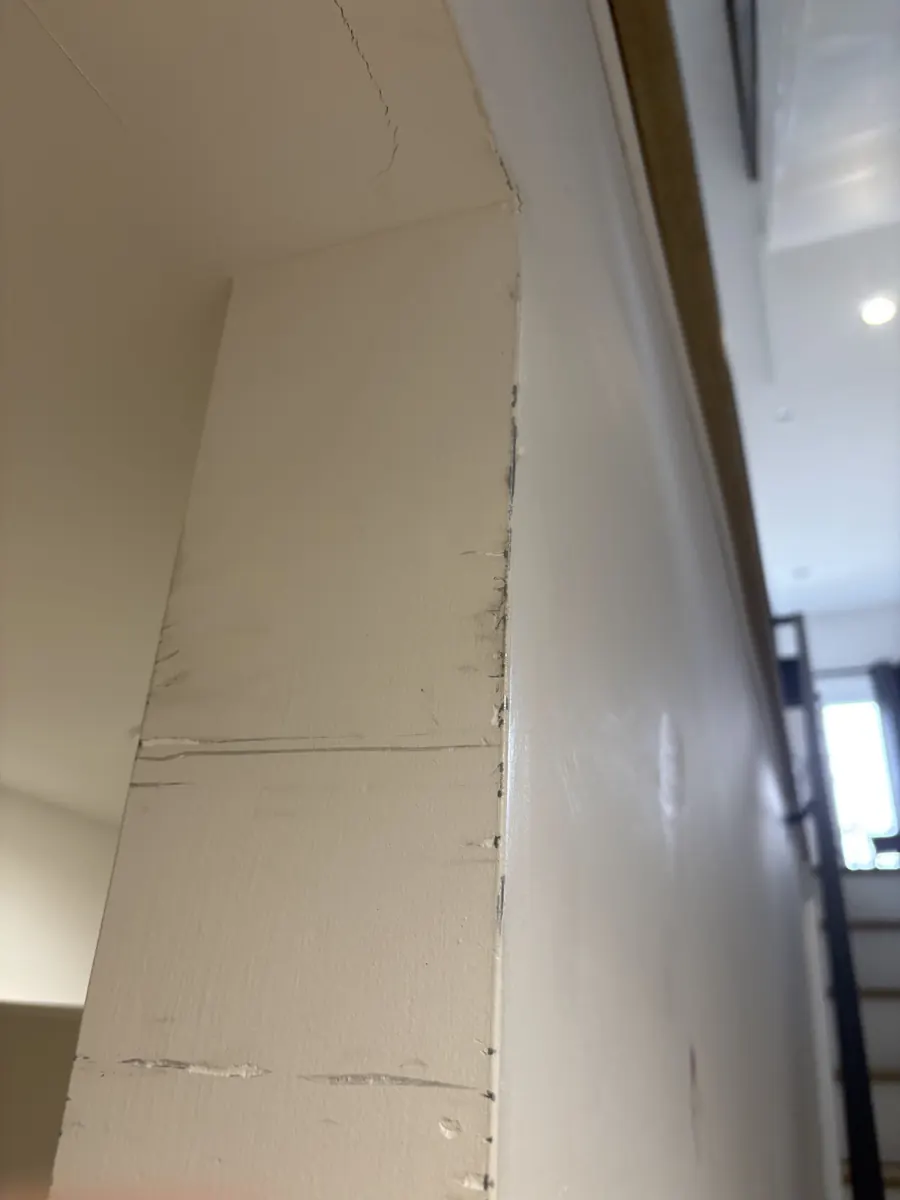
- Corner bead and outside-corner repair
- Skim coating over rough or patched walls
- Plaster-to-drywall transitions
Why plaster in Philadelphia row homes cracks
Most row homes in Fishtown, Kensington, Port Richmond, South Philly and the rest of the older city were built with three-coat plaster over wood lath. It's a strong, solid wall, but after a hundred years or more it has been through a lot. Houses settle, party walls move as neighbors renovate, trucks shake the block, and heat and humidity change with the seasons. Over time the plaster's 'keys' (the bits that pushed through the lath and hold the wall on) break, and the plaster starts to crack and pull away.
The usual signs are long cracks running across ceilings, diagonal cracks off the corners of doors and windows, cracks up the stair wall where the house has settled, and spots that sound hollow or feel spongy when you press on them. Water makes all of this worse. A small roof leak or a dripping shower can soften plaster for years before anyone notices.
How I repair plaster so it lasts
The most common mistake I see is a crack that has been filled with spackle or joint compound and painted. It looks fine for a few months, then the same crack comes right back, because the plaster on either side is still moving. A lasting repair starts by making the wall solid again.
First I check how much of the area is loose. Where plaster has come away from the lath but is otherwise sound, I re-attach it with plaster washers and screws or with adhesive, so it's tight to the framing again. Then I open up the crack, cut back any crumbling material, and bridge the joint with mesh tape set in a setting-type compound, which is harder and shrinks less than ready-mix. Finally I build the surface back up in thin coats and feather it out wide so the repair blends with the old wall.
Where a section is too far gone to save, often after water damage, I cut it back to sound plaster and fill it with drywall shimmed to the right thickness, then tape and skim the joint so you can't tell where the old wall stops and the new one starts. For walls that have been patched over and over, a full skim coat gives you one smooth, even surface again.
Plaster or drywall: which is right for your wall?
I don't believe in tearing out good plaster. Original plaster is dense, quiet and fire-resistant, and in most rooms it's worth saving. Full demolition is messy in a lived-in row home: the dust gets everywhere and it often turns up more problems in the framing. Repairing what's there is usually faster and cheaper.
Replacement makes sense when the plaster is badly water-damaged, when most of a ceiling is loose, or when a wall is being opened anyway for plumbing, electrical or a renovation. In those cases I hang new drywall and blend it into the plaster that's staying. You can read more in our plaster vs. drywall guide, and see our drywall & plaster repair and drywall replacement pages.
Fix the cause first
If plaster is stained, soft or bubbling, there's usually water behind it. Before I patch, I look for the source: a flat roof seam, flashing at the party wall, a window, or a bathroom or radiator line above. Patching wet plaster is a waste of your money, because the stain and the damage will come back. I can trace and fix the leak too, so one person handles the whole job. See water leak detection & repair, roof leak repair and ceiling leak repair.
Clean, careful work in occupied homes
Most plaster repairs happen while people are living in the house. I cover floors and furniture, seal off the room with plastic where it's needed, and clean up at the end of every day. After the repair is primed it's ready for paint. I can paint it myself, or leave it ready for your painter. I'm Scott, the owner. I opened Fishtown Home Solutions & Handyman in 2015, I have more than 10 years of experience, I'm insured, and I do all of the work myself.
I'm open 7 days a week, 6 AM to 10 PM, including evenings and weekends, so it's easy to fit a plaster repair around work. Call (215) 391-6380 or send photos of the cracks for an estimate.
FAQ
Can cracked plaster be repaired, or does it have to be replaced?
Most cracked plaster can be repaired. I re-attach any loose plaster, tape the crack with mesh and setting compound, and skim it smooth. Replacement is only needed where plaster is badly water-damaged or mostly detached.
Why does the crack in my ceiling keep coming back?
Usually because it was only filled and painted, while the plaster on either side was still moving or loose. A lasting repair re-secures the plaster and bridges the crack with tape and setting compound.
Do you work on plaster in old row homes outside Fishtown?
Yes. I repair plaster in row homes across Philadelphia and in older homes on the Main Line and in Montgomery County.
How do I get an estimate?
Call (215) 391-6380 or use the contact form with a few photos of the cracks or damaged area. I'm open 7 days, 6 AM to 10 PM.
Areas served
Fishtown · 19125 · 19122 · 19123 · 19134 · all Philadelphia neighborhoods · Main Line & Montgomery County